Experienced Tire Solutions: Get Back on the Road With Care and Speed
Skilled tire restoration serve an essential function in safeguarding vehicle security and operation. Experienced professionals undertake complete inspections to uncover assorted tire difficulties. From flats to alignment complications, each issue warrants careful focus. Knowing when to seek professional support can prevent ensuing troubles. As drivers confront these hurdles, they may contemplate the most suitable service options and care standards. Investigating these areas can facilitate informed decisions and more secure experiences down the road.
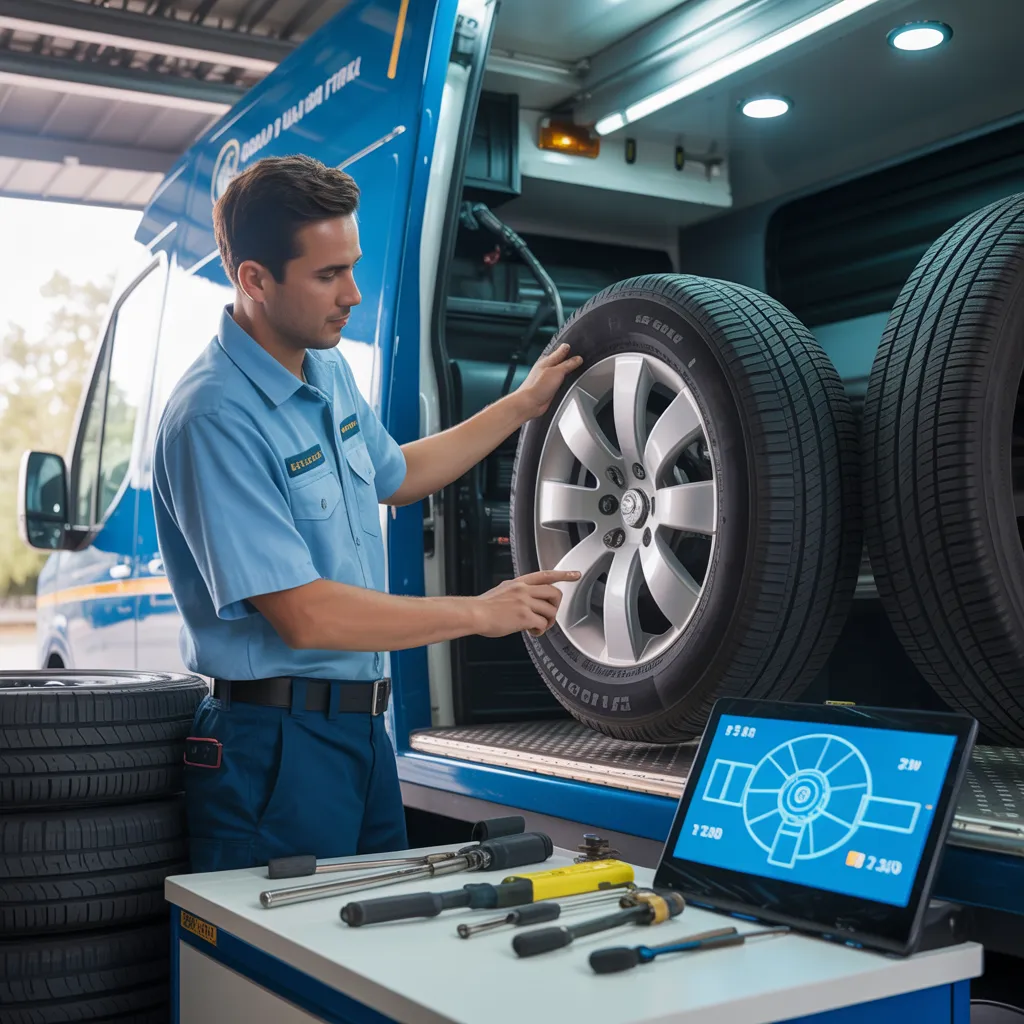
Everyday Tire Obstacles to Remember
When drivers fail to check their tires, they may experience several typical problems that can affect safety and performance. One prevalent issue is underinflation, which can cause increased tire wear and lower fuel efficiency. Over time, this can cause the tires to overheat, increasing the risk of a blowout. Another common problem is tread wear, which impacts traction and handling, particularly in wet conditions. Uneven wear may indicate alignment or suspension issues, requiring further inspection. Additionally, drivers may face punctures or sidewall damage from road hazards, causing slow leaks or complete tire failure. Consistent tire rotations, regular inspections, and appropriate inflation are critical for preventing these issues. Finally, environmental conditions can also add to tire degradation, making it vital for drivers to pay close attention to their tire health. By identifying these common problems, drivers can enhance their safety on the road.
When to Determine About Getting Tire Service: A Tutorial?
ongoing requirement for topping up also indicates that repairs may be necessary.
Motorists should be mindful of handling and performance changes, such as shudders or pulling to one side, which could point toward tire imbalances or internal damage. Lastly, regularly assessing how deep the tread is is essential; tires with bald or worn areas weaken traction. By observing these signs, drivers can guarantee timely repairs, increasing both safety and vehicle lifespan. Quickly addressing these issues not only prevents potential accidents but also reduces more costly repairs later.
What to Anticipate During the Tire Fix Process
The tire repair process typically involves several essential procedures to assure safety and productivity. First, a technician reviews the tire for noticeable damage and assesses its overall condition. This assessment aids in deciding whether the tire can be repaired or needs replacement. Following the inspection, the technician may take off the tire from the wheel to identify punctures or internal damage.
Once any issues are identified, the specialist sanitizes the damaged area and readies it for restoration. This may involve installing a patch or plug, based on the nature and position of the damage. After the fix is finished, the tire is remounted and correctly inflated to the manufacturer's requirements.
Finally, a quality check certifies that the repair complies with safety standards. Throughout the journey, mechanics stress communication, keeping the customer of reports and recommendations. This strategic approach guarantees a reliable repair, helping commuters to return to the road with confidence.
DIY Tire Correction Compared against Professional Intervention
Upon understanding the tire servicing procedure, many drivers may consider whether to handle repairs independently or seek expert help. DIY tire repairs can be appealing, especially for those with elementary technical abilities and tools. Basic perforations can often be mended using repair kits available at auto supply stores, saving both time and funds. However, this strategy involves dangers if correct procedures are not employed, likely causing further harm or security concerns.
Conversely, professional tire repair services present specialized knowledge and advanced tools. Trained technicians can accurately evaluate tire deterioration, ensuring repairs are dependable and safe. They can also uncover concealed issues that a do-it-yourself method might fail to notice. Finally, the choice between do-it-yourself repairs and expert help copyrights on the driver's confidence, expertise, and the extent of the tire damage. check this Reaching an educated decision is critical for guaranteeing road safety.
Tips for Finding the Perfect Tire Repair Service
How can motorists ensure they choose the top-rated tire repair service? First, they should investigate local options, focusing on customer reviews and scores. This information offers understanding into the quality of service and reliability of various shops. Next, verifying for certifications and partnerships with recognized automotive organizations can demonstrate expertise and expertise.
Moreover, drivers should question the types of repairs available, ensuring the facility can resolve their distinct tire problems. Honest pricing is also critical; trusted shops give clear quotes without unexpected fees.
Additionally, assessing the shop's warranty policies on services can offer confidence. Finally, convenience matters—location relative to home or work, as well as available hours, can impact the decision. By considering these points, automobile owners can confidently opt for a tire repair service that meets their expectations effectively.
Benefits of Frequent Tire Upkeep
Regular tire upkeep offers numerous benefits that extend the lifespan and performance of tires. By routinely checking tire pressure, tread depth, and general state, vehicle owners can guarantee ideal traction and control. Proper inflation decreases deterioration, enhancing fuel efficiency and reducing costs at the pump. In addition, regular inspections can help detect problems such as uneven wear or harm, enabling for timely repairs that avoid greater issues down the road.
Maintaining wheel tires also boosts safety by decreasing the chance of blowouts or accidents due to insufficient tread. Moreover, a well-maintained set of tires helps provide a smoother ride, enhancing comfort for both the driver and passengers. Spending time on regular tire maintenance allows individuals to maximize the value of their investment, guaranteeing reliable performance and peace of mind while driving. Ultimately, regular tire maintenance is an essential aspect of responsible vehicle ownership.
Advice on Eliminating Future Tire Problems
Implementing a preventative approach to tire care can substantially reduce the likelihood of future complications. Frequently checking tire pressure is vital; insufficient pressure can lead to premature wear and lowered fuel efficiency. It is prudent to check tires for visible deterioration, such as cuts or bulges, which may reveal structural defects. Rotating tires every 5,000 to 8,000 miles helps assure even wear, extending their lifespan.
In addition, maintaining correct alignment and balancing is vital to prevent uneven tread wear. Drivers should also review tread depth, employing the penny test as a practical method; if Lincoln's head is visible, it's time for a new tire. Finally, avoiding excessive loading of the vehicle can minimize excessive strain on tires. By utilizing these methods, vehicle owners can enhance tire lifespan and promote a safer driving experience.

Popular Inquiries Raised
What timeframe should you anticipate for a typical tire fix?
A typical tire service usually requires between 30 minutes to an hour determined by the amount of damage and the specific repair required. Factors like technician availability and shop busyness can also influence the duration.
Are All Tire Varieties Fixable?
Not all tire types can be fixed. Typically, punctures in the tread area of passenger tires may be fixable, while sidewall damage, severe wear, or tires with multiple repairs often require new tires to ensure safety.
How Much Does Tire Service Expense?
Tire mending expenses ordinarily sit between $10 to $30, contingent on the damage severity and site. Aspects including tire classification and your service provider may affect the final price, making it changeable.
Does Your Insurance Cover Tire Damage Repair?
Coverage for tire repairs differs by your insurance plan. Many policies offer emergency roadside support and repair costs, though some plans may exclude such benefits. It's necessary for people to look over their particular coverage information to determine what protection covers tire repairs.
How Can I Extend My Tire's Life?
To extend a tire's durability, regular maintenance is necessary. This includes sustaining correct tire pressure, changing tire positions regularly, ensuring proper alignment, avoiding overloading, and monitoring tread depth for traces of damage and wear.